




















Enjoying Gardening Later in Life: A Guide
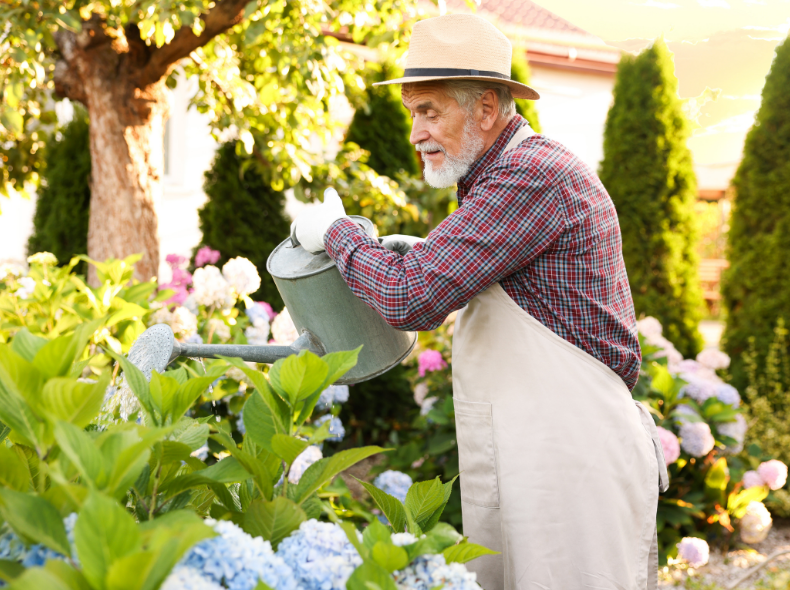
Gardening is a lifelong pleasure that can continue to bring joy, purpose, and wellbeing well into later life. Whether it’s tending to a few pots on a patio, caring for a small vegetable patch, or simply enjoying time among flowers and greenery, gardening can be adapted to suit changing abilities and lifestyles.
This guide explores the benefits of gardening later in life and shares practical tips for making it safe, enjoyable, and rewarding.
The Benefits of Gardening in Later Life
Gardening offers far more than a tidy garden or a basket of fresh produce, it supports both physical and emotional wellbeing.
- Supports gentle physical activity: Gardening encourages movement, helping maintain strength, flexibility and balance through low‑impact activity.
- Boosts mental wellbeing: Being outdoors and connected to nature can reduce stress, improve mood and support cognitive health.
- Encourages routine and purpose: Regular tasks such as watering or planting provide structure and something to look forward to.
- Fosters social connection: Gardening can be shared with neighbours, family members or local community groups, reducing feelings of isolation.
Even small amounts of time spent gardening can make a meaningful difference.
Adapting Gardening to Suit Your Needs
As we get older, it’s natural for energy levels or mobility to change but gardening doesn’t have to stop. Small adaptations can make all the difference.
Choose the Right Gardening Setup
- Raised beds or planters reduce the need to bend or kneel.
- Container gardening is ideal for patios, balconies or windowsills.
- Vertical gardens or trellises allow plants to grow upwards rather than outwards.
Use Ergonomic Tools
- Lightweight tools with padded or extended handles are easier on joints.
- Long‑handled hoes, trowels and weeders help avoid unnecessary strain.
- A sturdy garden seat or kneeler can provide comfort and support.
Plant Choices That Are Easy to Manage
Selecting low‑maintenance plants helps keep gardening enjoyable rather than tiring.
- Perennials come back year after year with minimal effort.
- Herbs like rosemary, thyme and mint are resilient and practical.
- Shrubs and ground cover plants reduce the need for frequent weeding.
- Vegetables such as lettuce, tomatoes and courgettes are rewarding and relatively simple to grow.
Choose plants suited to your space and climate, and don’t be afraid to start small.
Gardening Safely and Comfortably
Safety is key to long‑term enjoyment.
- Garden during cooler parts of the day and stay hydrated.
- Wear supportive footwear with good grip.
- Take regular breaks and listen to your body.
- Keep pathways clear to prevent trips or falls.
If gardening tasks feel challenging, support from family members or care professionals can help keep hobbies enjoyable and stress‑free.
Gardening with Support
For many people, gardening remains a cherished activity even when help is needed. Whether it’s light assistance with heavier tasks, help setting up containers, or simply companionship outdoors, support can enable continued independence and enjoyment.
Gardening later in life is not about doing everything alone, it’s about staying connected to something you love, in a way that works for you.
All Care offers a wide range of home care services in the comfort of your own home to help you enjoy your favourite activities with a little bit of support. Contact our team to learn more.
A Hobby That Grows With You
Gardening is wonderfully flexible making it an appealing hobby for many people in a later stage of life. It can evolve with changing needs while still offering calm, creativity and connection to the natural world. With a few thoughtful adjustments, it remains a fulfilling and accessible pastime at any stage of life.
Many find a shared joy in gardening as there’s something special about watching something grow and enjoying the journey along the way.
See Also









Our partners